Why Visit Sumatra?
Sumatra is more than a destination—it’s a place where adventure, wildlife, and nature come together. While many travelers choose Bali, North Sumatra offers a different experience: ancient rainforests, incredible biodiversity, and authentic encounters far from mass tourism.
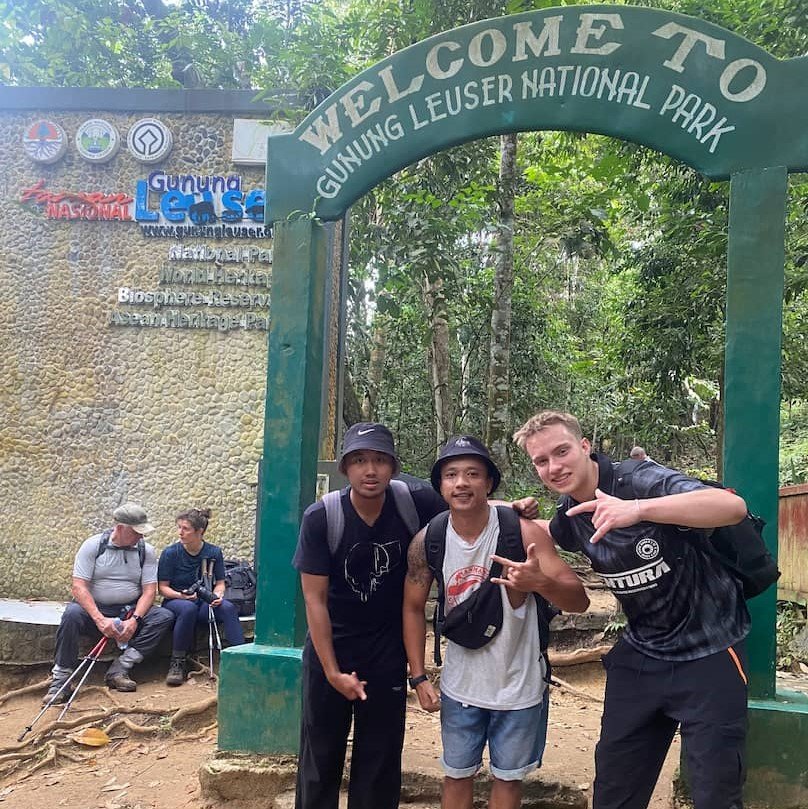
Home to Gunung Leuser National Park, one of Southeast Asia’s largest tropical rainforests and a UNESCO World Heritage Site, Sumatra is one of the few places where nature still thrives in its wildest form.
Experience One of the World's Last Great Rainforests
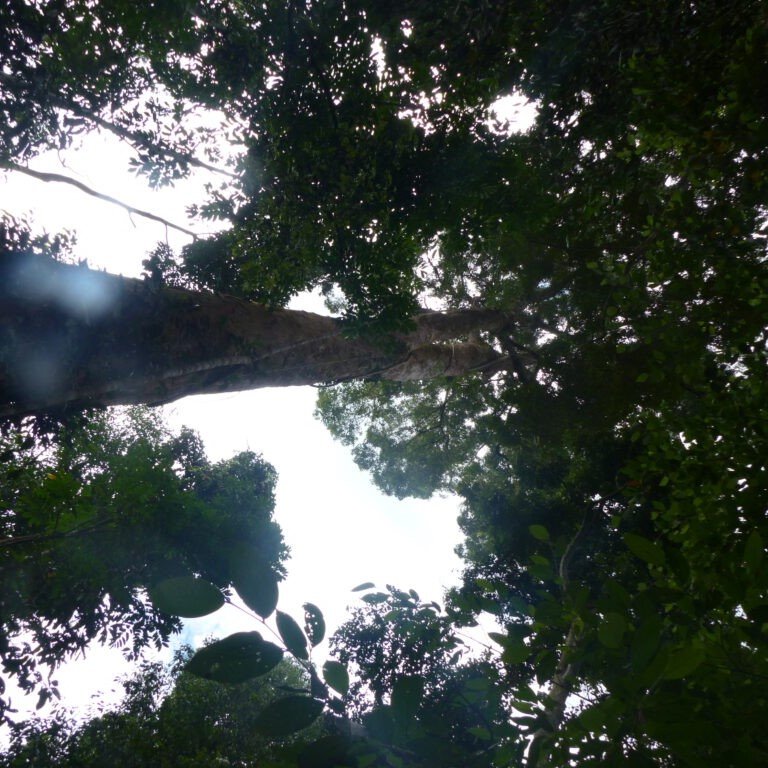
Covering more than one million hectares, Gunung Leuser National Park is a vast ecosystem of dense rainforest, mountains, rivers, waterfalls, and hidden valleys.
It is recognized as one of the most biodiverse places on Earth, home to:
- More than 200 species of mammals
- Over 580 species of birds
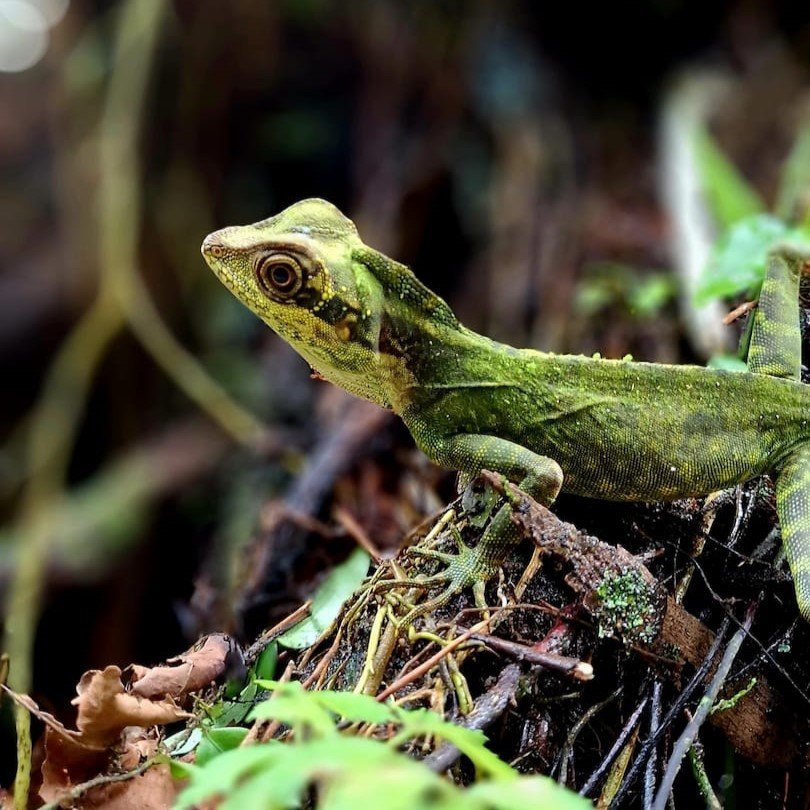
- Hundreds of reptiles and amphibians
Most remarkably, it is the only place in the world where the four iconic Sumatran mammals still share the same ecosystem:
- Sumatran Orangutan
- Sumatran Elephant
- Sumatran Tiger
- Sumatran Rhinoceros
Few destinations can offer wildlife experiences this extraordinary.
Meet the Critically Endangered Sumatran Orangutan
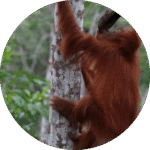
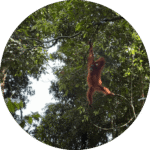
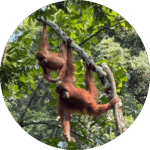
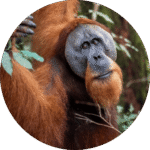
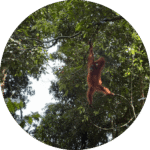
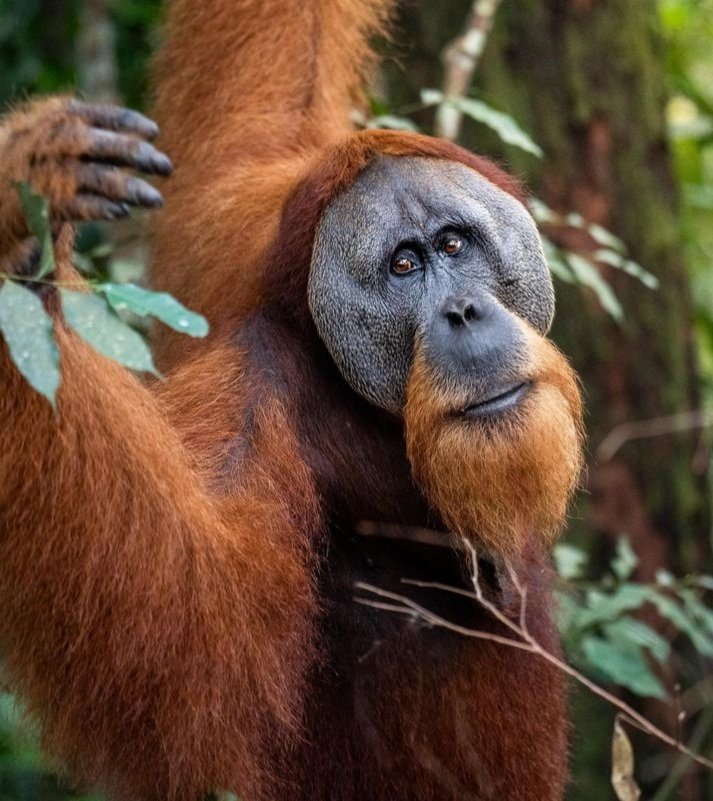
One of the highlights of visiting Bukit Lawang is the opportunity to observe Sumatran orangutans in their natural habitat.
With fewer than 6,500 individuals remaining in the wild, every encounter is truly special.
The name orangutan comes from the Indonesian words:
- Orang = Person
- Hutan = Forest
Meaning “Person of the Forest.”
These intelligent primates:
- Spend most of their lives in the treetops
- Build a new nest every evening
- Stay with their young for up to 10 years
- Reproduce very slowly, making them especially vulnerable to extinction
Seeing an orangutan living freely in the rainforest is an unforgettable experience.
A Rainforest Worth Protecting
Despite its beauty, the Sumatran rainforest continues to face threats from illegal logging, forest fires, mining, and the expansion of palm oil plantations.
Choosing responsible tourism helps protect this fragile ecosystem.
By joining an ethical jungle trek, you directly support:
- Rainforest conservation
- Wildlife protection
- Local communities
- Sustainable tourism
Every visit contributes to preserving one of the world’s last remaining wilderness areas.
Trek with Licensed Local Guides
Responsible trekking begins with responsible guides.
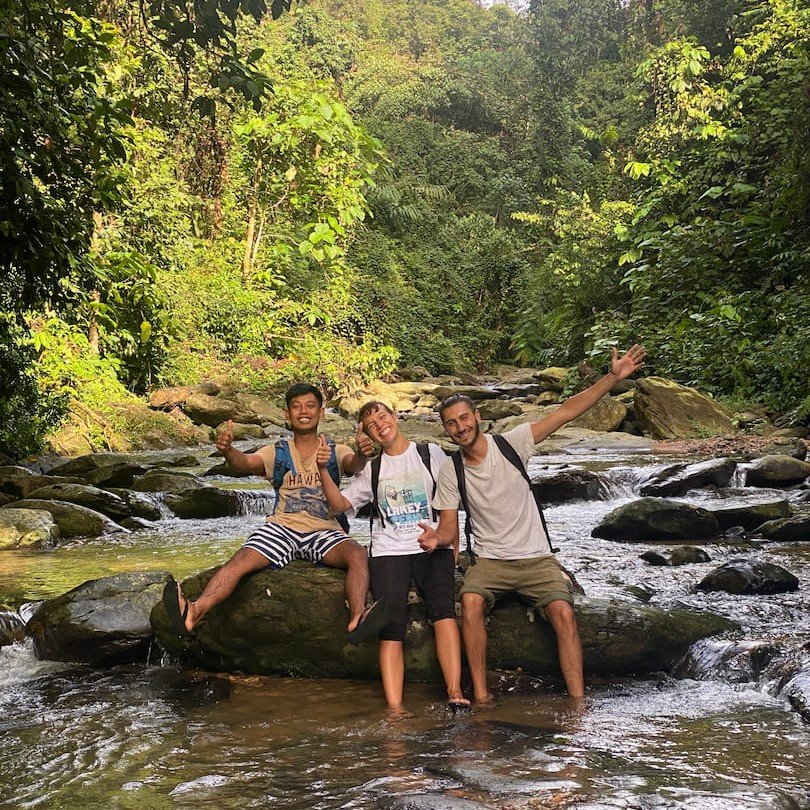
Our tours are led by certified local guides from the ITGA-HPI (Indonesian Tourist Guides Association), ensuring safe, educational, and environmentally responsible experiences.
We never support practices such as:
- Feeding wildlife
- Using unlicensed guides
- Taking oversized trekking groups
Every trek follows ethical wildlife guidelines designed to protect both visitors and the rainforest.
Bukit Lawang's Conservation Story
Bukit Lawang has played an important role in orangutan conservation.
Between 1973 and 1991, it was home to an orangutan rehabilitation center that successfully reintroduced more than 200 rescued orangutans back into the wild.
Today, the village has become an international example of how eco-tourism can support conservation while providing sustainable livelihoods for local communities.
Explore Responsibly
Choosing an ethical trek means more than discovering the rainforest—it means helping protect it for future generations.
When you travel responsibly, you help:
- Protect endangered wildlife
- Preserve the rainforest ecosystem
- Support local communities
- Promote sustainable tourism
Sumatra isn’t just another destination—it’s one of the last true wilderness experiences on Earth.
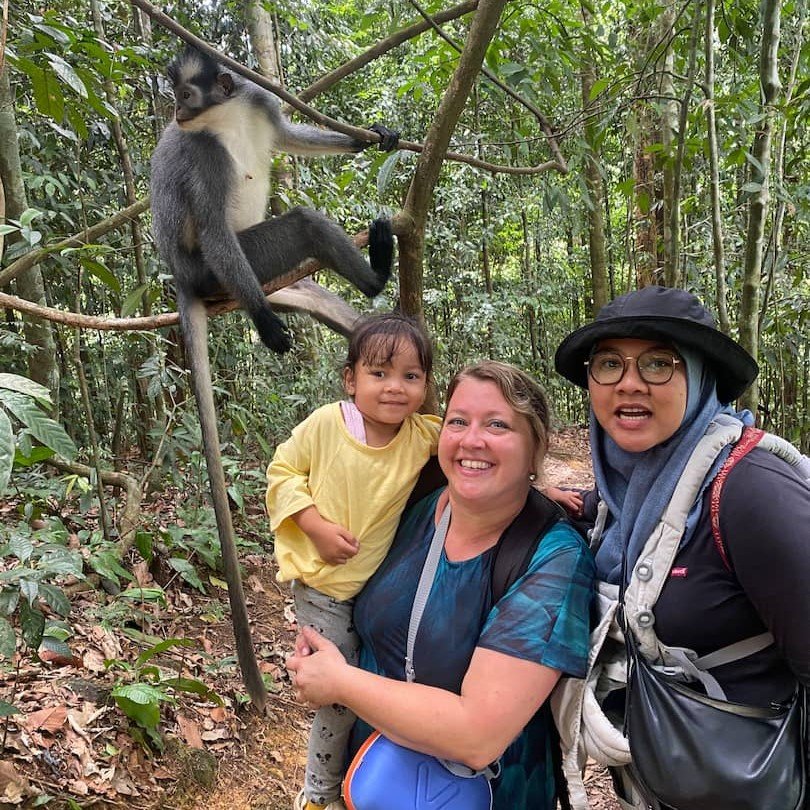
Experience One of the World's Last Great Rainforests
Covering more than one million hectares, Gunung Leuser National Park is a vast ecosystem of dense rainforest, mountains, rivers, waterfalls, and hidden valleys.
It is recognized as one of the most biodiverse places on Earth, home to:
- More than 200 species of mammals
- Over 580 species of birds
- Hundreds of reptiles and amphibians
Most remarkably, it is the only place in the world where the four iconic Sumatran mammals still share the same ecosystem:
- Sumatran Orangutan
- Sumatran Elephant
- Sumatran Tiger
- Sumatran Rhinoceros
Few destinations can offer wildlife experiences this extraordinary.
Meet the Critically Endangered Sumatran Orangutan
One of the highlights of visiting Bukit Lawang is the opportunity to observe Sumatran orangutans in their natural habitat.
With fewer than 6,500 individuals remaining in the wild, every encounter is truly special.
The name orangutan comes from the Indonesian words:
- Orang = Person
- Hutan = Forest
Meaning “Person of the Forest.”
These intelligent primates:
- Spend most of their lives in the treetops
- Build a new nest every evening
- Stay with their young for up to 10 years
- Reproduce very slowly, making them especially vulnerable to extinction
Seeing an orangutan living freely in the rainforest is an unforgettable experience.
A Rainforest Worth Protecting
Despite its beauty, the Sumatran rainforest continues to face threats from illegal logging, forest fires, mining, and the expansion of palm oil plantations.
Choosing responsible tourism helps protect this fragile ecosystem.
By joining an ethical jungle trek, you directly support:
- Rainforest conservation
- Wildlife protection
- Local communities
- Sustainable tourism
Every visit contributes to preserving one of the world’s last remaining wilderness areas.
Trek with Licensed Local Guides
Responsible trekking begins with responsible guides.
Our tours are led by certified local guides from the ITGA-HPI (Indonesian Tourist Guides Association), ensuring safe, educational, and environmentally responsible experiences.
We never support practices such as:
- Feeding wildlife
- Using unlicensed guides
- Taking oversized trekking groups
Every trek follows ethical wildlife guidelines designed to protect both visitors and the rainforest.
Bukit Lawang's Conservation Story
Bukit Lawang has played an important role in orangutan conservation.
Between 1973 and 1991, it was home to an orangutan rehabilitation center that successfully reintroduced more than 200 rescued orangutans back into the wild.
Today, the village has become an international example of how eco-tourism can support conservation while providing sustainable livelihoods for local communities.
Explore Responsibly
Choosing an ethical trek means more than discovering the rainforest—it means helping protect it for future generations.
When you travel responsibly, you help:
- Protect endangered wildlife
- Preserve the rainforest ecosystem
- Support local communities
- Promote sustainable tourism
Sumatra isn’t just another destination—it’s one of the last true wilderness experiences on Earth.